Cow Reading a Book: A Designer’s Real-World Embroidery Review
First Impressions: Charming, Playful, and Perfectly Sized for Whimsical Projects
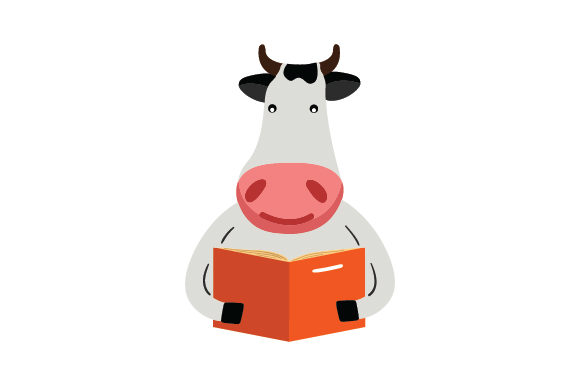
The first time I opened the Cow Reading a Book embroidery file, I smiled. It’s not often you see a cow in glasses, deeply engaged with a novel, and it brings a light-hearted, almost nostalgic charm to the design. The layout is balanced, the cow’s posture is relaxed, and the book in its hooves feels like a genuine detail rather than a forced gimmick. This design immediately suggests itself for baby items, children’s apparel, or even boutique tote bags aimed at book lovers and animal enthusiasts.
The theme is gentle and approachable, making it a solid choice for a wide range of handmade products. It doesn’t scream for attention but rather invites a second look. As a designer, that’s a good sign—it’s versatile enough to be used in both personal and commercial embroidery projects without clashing with brand tone or product style.
Real-World Use: From Sweatshirts to Nursery Decor
I tested Cow Reading a Book on a few different materials to see how it performed in real-life scenarios. Starting with a medium-weight cotton tote bag, the design stitched out cleanly, with crisp satin stitches around the glasses and the book’s edges. The fill stitches on the cow’s body held up well, and there was no puckering, even with a basic tear-away stabilizer.
Next, I moved to a baby onesie. The fabric was thinner, so I switched to a lightweight cutaway stabilizer and reduced the tension slightly. The result was still impressive—the cow’s expression remained intact, and the small details like the book’s title (which is just a decorative line, not text) stayed visible without getting lost in the fabric texture.
I also tried it on a dark navy sweatshirt. The thread contrast was strong, and the design popped beautifully. No need for a light-colored underlay; the natural brightness of the original design translated well even on darker backgrounds. It would make a great statement piece for a boutique hoodie or a personalized gift for a literature-loving customer.
Where to Use It Carefully: Fabric, Placement, and Detail Considerations
While Cow Reading a Book is generally well-constructed, there are a few situations where caution is needed. On stretchy knit fabrics, especially with tighter hoop sizes, some distortion occurred around the cow’s legs and the book’s corners. Using a lightweight stabilizer helped, but for best results, I’d recommend testing on a similar fabric before committing to a full run.
Small hoop sizes are another concern. If your hoop is on the smaller side, you may need to simplify or resize the design to avoid losing key elements like the glasses or the book’s spine. The same goes for curved surfaces like caps—those tiny details can get distorted or stitched unevenly if the cap isn’t hooped correctly.
Dark fabrics also require a thoughtful approach to thread color. While the original design uses light and medium tones, you may want to tweak the palette for better contrast. I tried a black-and-white version for a minimalist look, and it worked surprisingly well—clean, bold, and instantly recognizable.
Design Impact: Visual Appeal, Professionalism, and Customer Engagement
What stands out about Cow Reading a Book is how it elevates the finished product. Even on a simple tote bag or tea towel, it adds a sense of craftsmanship and personality. As a small business owner or Etsy seller, that kind of visual appeal can make a real difference in how your items are perceived.
From a customer’s perspective, this design feels like a thoughtful choice. It’s not over-the-top or trendy—it has a timeless, almost storybook quality that appeals across age groups. That’s a big plus for gift items, especially personalized ones. I can easily picture it on a baby blanket with a name stitched underneath or on a holiday ornament with a short message.
It also holds up well in digital mockups. Whether I was building a printable mockup for a client or previewing a new sweatshirt design for my own shop, the clarity of the image translated well on screen. That’s important for digital product sellers who rely on visual previews to convert buyers.
Designer Notes: Practical Tips for Best Results
- Test on scrap fabric first—especially if you’re working with stretchy or thin materials.
- Check thread color contrast if you’re using the design on dark or textured fabrics.
- Review stitch density to ensure the design doesn’t pull or pucker on delicate items like baby clothes.
- Confirm hoop size before stitching—some smaller hoops may require resizing or simplification.
- Inspect small details like the cow’s glasses and the book’s edges after stitching to ensure clarity.
- Test in black and white mockups to see how the design holds up without color.
- Compare light and dark fabric backgrounds to find the best visual impact for your product.
- Use proper stabilizer—especially for tricky surfaces like curved caps or stretchy knits.
- Check licensing before selling finished items or digital products—this is especially important for commercial embroidery projects.
Final Thoughts: A Versatile, Thoughtful Design for Makers and Sellers
Cow Reading a Book might seem like a simple design at first glance, but it’s packed with subtle details that elevate its usability across a range of projects. Whether you're an Etsy seller looking for a standout gift design, a craft business owner building a new product line, or a hobbyist working on a custom gift, this embroidery file offers both charm and practicality.
It’s the kind of design that feels at home in a child’s nursery, on a boutique tote, or even as a quirky patch for a handmade bag. And as a designer, that’s exactly what I look for—a piece that works well, stitches cleanly, and connects with the end user.
If you’re in the market for a new machine embroidery design that balances whimsy with professionalism, Cow Reading a Book deserves a spot in your collection.