Bunny Reading a Book: A Designer’s Real-World Review
First Impressions: Cute, Cozy, and Commercially Versatile
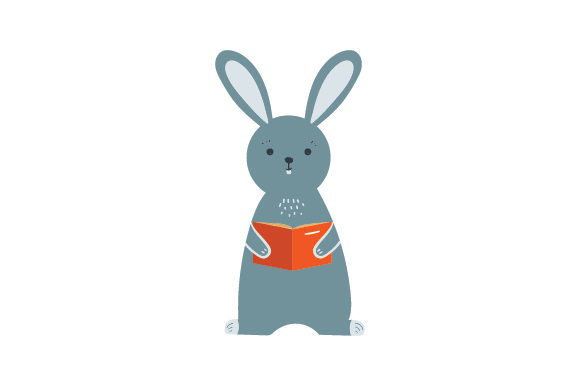
When I first opened the Bunny Reading a Book embroidery file, the design immediately struck me as soft, whimsical, and thoughtfully composed. The bunny’s posture—curled up with a book—is both endearing and expressive, making it ideal for projects that need a touch of charm. The layout balances negative space well, allowing the design to breathe without feeling sparse. It’s not overly detailed, which is a big plus for machine embroidery where clarity matters. This is the kind of design that feels at home in a boutique nursery item or a personalized tote bag for a book lover.
Real-World Use: From Sweatshirts to Baby Onesies
I tested Bunny Reading a Book on a few different fabrics and product types to see how it would translate from screen to stitch. Starting with a medium-weight cotton tote bag, the design stitched out cleanly with minimal thread breaks. The satin and fill stitches held up well, especially around the bunny’s ears and the book’s cover. On a sweatshirt, the design maintained its character without getting lost in the texture of the fabric. I’d say it’s best suited for medium to large hoop sizes to preserve the details, especially in the book’s pages and the bunny’s paws.
When I scaled it down slightly for a baby onesie, the facial features and book details started to feel a bit compressed. Still, it read well from a few feet away, which is often what matters most in baby embroidery. If you're planning to use this for personalized gifts or small shop products, it’s definitely a crowd-pleaser—especially for parents looking for a gentle, literary theme.
Where to Use It (And Where to Be Careful)
Bunny Reading a Book shines on flat, stable surfaces like tote bags, pillow covers, and tea towels. It’s also a natural fit for holiday embroidery—think Easter baskets, back-to-school tote bags, or cozy winter reading pillows. I can easily picture this stitched onto a linen apron for a children’s bookstore or a boutique gift shop.
That said, be cautious when applying this design to curved surfaces like caps or stretchy fabrics like jersey knits. The delicate lines in the book and bunny’s face can blur or pucker if the fabric isn’t properly stabilized. Also, if you’re working with dark fabric, check how the lighter thread colors (like the bunny’s belly or the book’s pages) stand out. You might need to adjust thread choices or add underlay stitches for better contrast.
Stitching Clarity and Fabric Considerations
One thing I always test is stitch density and detail retention. With Bunny Reading a Book, the satin stitches are smooth and the fill areas are consistent. There’s a nice mix of textures—soft fur, crisp book edges, and subtle shading. Still, I’d recommend using a lightweight tear-away stabilizer for thinner fabrics and a cut-away for stretchy or knit materials.
I also ran a quick black and white mockup to see how the design would look if simplified for a minimalist brand or a monochrome collection. Surprisingly, it held up well—especially the silhouette of the bunny and the rectangular shape of the book. That tells me it’s got good structural integrity, which is important if you’re adapting it for different product lines or printable mockups.
Commercial Appeal and Marketability
From a commercial embroidery standpoint, this design has strong giftability and brand recognition potential. It’s simple enough to be universally appealing, yet detailed enough to feel handmade and intentional. Etsy sellers and craft business owners could easily incorporate this into a seasonal product lineup—think Easter, back-to-school, or holiday gift markets.
It also works well as part of a themed collection. Pair it with other literary or animal designs to create a cohesive digital product bundle. Just make sure to check the licensing before selling finished items or digital embroidery files—especially if you plan to use it in a commercial embroidery project or resell it as part of a design pack.
Designer Notes: Practical Tips Before You Stitch
- Test the design on scrap fabric before stitching your final product.
- Check thread color contrast, especially on dark or patterned fabrics.
- Verify stitch density—don’t assume it’s optimized for your machine.
- Confirm hoop size compatibility, especially if you're scaling the design.
- Inspect small details like the bunny’s eyes and book text for clarity.
- Try a black and white version to test its minimalist appeal.
- Compare light and dark fabric backgrounds to see which brings out the best in the design.
- Use proper stabilizer based on your fabric type.
- Ensure the design works for both personal and commercial embroidery projects.
- Review licensing terms before selling finished items or digital embroidery files.
Final Thoughts: A Thoughtful, Workhorse Design
Bunny Reading a Book is more than just a cute design—it’s a functional, adaptable embroidery asset that fits well into a variety of handmade products and small business offerings. Whether you're stitching custom apparel, creating personalized gifts, or building a digital design shop, this one earns its place in your library. It’s not overly complex, which makes it great for both beginners and experienced embroiderers looking to maintain quality across multiple projects.
As a designer who evaluates dozens of embroidery files each month, I appreciate when a design like this feels purposeful and practical. It doesn’t try to be too much—it just does what it does well. And in the world of embroidery, that’s often the most valuable trait of all.