Senior: A Thoughtful Embroidery Design for Graduation and Beyond
First Impressions: Elegance Meets Simplicity
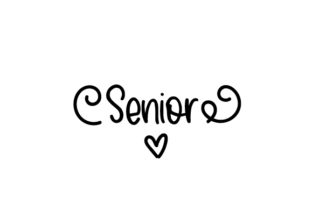
When I first opened the Senior embroidery design, I was struck by its clean, understated elegance. It's the kind of design that immediately communicates a sense of pride and accomplishment—perfect for graduation season but versatile enough to carry into other sentimental or milestone-based projects. The lettering is crisp without being overly ornate, and the overall layout feels balanced. It’s not flashy, but it doesn’t need to be. There’s a quiet confidence in how it presents itself, which makes it a strong contender for use in both personal and small business embroidery projects.
Real-World Use: From Tote Bags to Baby Clothes
I decided to test Senior on a few different real-life items to see how it would translate from screen to stitch. First up: a cotton tote bag. I used a mid-weight stabilizer and a standard 4x4 hoop. The design stitched cleanly, with no thread bunching or distortion. The satin stitches held their shape well, and the lettering remained sharp even at a smaller scale.
Next, I tried it on a baby onesie. The fabric was a bit stretchier than I’d prefer, but with the right stabilizer and slower machine speed, the result was still crisp. I could easily see this design being used for baby showers, milestone photos, or early childhood keepsakes. It’s the kind of design that says “this moment matters” without being over the top.
For a more commercial application, I stitched it onto a navy sweatshirt. The contrast between the dark fabric and light thread (I used white) gave it a clean, boutique-style finish. This would be a great addition to an Etsy shop or a local boutique’s seasonal collection—especially around May and June when graduation gifts are in high demand.
Where to Use It—and Where to Be Cautious
Senior works best on flat, stable surfaces like tote bags, pillow covers, and t-shirts. It also holds up well on slightly textured fabrics like denim or linen, as long as the stabilizer is appropriate. However, I’d be cautious using it on curved surfaces like baseball caps or mugs with embroidered sleeves. The corners of the lettering can get a bit distorted if the fabric isn’t perfectly taut.
Thin or stretchy fabrics require extra attention. I noticed slight puckering on a lightweight cotton scarf, which I was able to fix by switching to a tear-away stabilizer and reducing the tension slightly. Dark fabrics also need careful thread color selection—test a few shades before committing to ensure readability and visual appeal.
It’s also worth noting that the lettering is fairly small in the default size. If you're planning to scale it down further for a tiny item like a baby hat or a patch, inspect the details closely. Some of the finer strokes may close in or become less defined.
How Senior Enhances Your Finished Product
One of the most important things for a designer or small business owner is how a design affects the final product’s perceived value. Senior adds a professional, polished touch that elevates even the simplest items. Whether it's a graduation gift, a boutique sweatshirt, or a personalized kitchen towel, this design brings a sense of intentionality and care.
From a customer perspective, it reads as both meaningful and tasteful. It’s not so specific that it limits reuse, but it’s clear enough to evoke a sense of achievement. That makes it ideal for gift items—especially those sold online or at craft fairs where buyers are looking for something heartfelt but not overly sentimental.
For Etsy sellers or craft entrepreneurs, this design can help build brand consistency when used across a line of related products. Imagine a collection of embroidered graduation gifts—totes, caps, patches, and pillows—all tied together by the same clean, legible design language.
Designer Notes: Practical Tips for Best Results
- Test on scrap fabric first—especially if you're using a new stabilizer or working with a tricky fabric.
- Check thread color contrast on both light and dark backgrounds. You may need to adjust hues for optimal visibility.
- Review stitch density before stitching on delicate or stretchy materials. You may want to reduce density slightly for better fabric behavior.
- Confirm hoop size compatibility. If you're working with a small hoop, make sure the design fits comfortably without crowding.
- Inspect small details like corners and thin letter strokes. These can sometimes close in or distort depending on the fabric and tension.
- Test in black and white mockups to see how the design translates to different color schemes before stitching.
- Use proper stabilizer for the fabric type—cut-away for stretchy materials, tear-away for stable weaves.
- Check licensing terms before selling finished items or digital products. Make sure you’re cleared for commercial use if needed.
Final Thoughts: A Dependable Design for Meaningful Projects
In the world of embroidery, not every design needs to be elaborate to be effective. Senior proves that sometimes, simplicity is the ultimate sophistication. It’s a design that works quietly but powerfully across a wide range of projects—whether you're stitching for a client, creating for your shop, or making something special for a loved one.
For small business owners and crafters, this is a solid addition to your design library. It’s versatile, readable, and emotionally resonant without being too niche. If you're looking for a go-to design for graduation season, baby items, or personalized gifts, Senior deserves a spot in your collection.