I'm a Dance Teacher SVG: A Stitch-Ready Review
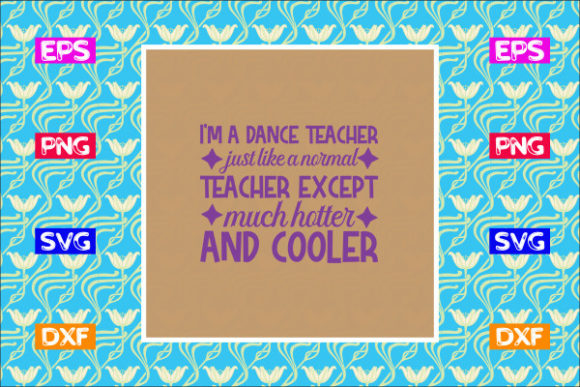
When evaluating digital assets for physical production, the gap between a screen preview and a finished product is where most projects fail. As a designer who regularly tests graphics for embroidery applications, I approached the Teacher SVG Design, I m a Dance Teacher with a critical eye toward stitchability rather than just aesthetic appeal. The phrase "just like a normal teacher except much hotter and cooler" suggests a bold, confident personality that demands specific technical execution to translate effectively from vector graphics to thread.
This design falls squarely into the intersection of Crafts and Graphics, but its true value lies in how it performs on fabric. My initial assessment focused on the typography hierarchy and negative space. For an embroidery project, legibility is paramount. This design appears optimized for custom apparel, specifically targeting the dance instructor demographic who often seek merchandise that balances professionalism with studio culture flair. However, before loading this embroidery file into your machine, there are practical considerations regarding density, fabric choice, and end-use application that will determine whether your finished product looks boutique-ready or homemade.
Real-World Application: The Studio Sweatshirt Test
To properly evaluate this asset, I mentally prototyped it for a high-demand item in the dance community: a heavyweight cotton sweatshirt intended for studio wear. Dance teachers require garments that withstand frequent washing, stretching during movement, and exposure to varying temperatures. In this scenario, the Teacher SVG Design, I m a Dance Teacher serves as more than decoration; it is a branding tool.
For a sweatshirt embroidery application, the design’s layout suggests a center-chest placement would be most effective. The text-heavy nature of the quote requires careful attention to stitch density. If the letters are too dense, they will create a bulletproof patch effect that distorts the fleece backing and feels uncomfortable against the skin. Conversely, if the satin stitch columns are too narrow, the edges may fray after laundering. When preparing this for commercial embroidery or personal use, I recommend converting key elements to fill stitches where possible to reduce stitch count while maintaining visual impact. This approach preserves the drape of the garment, which is essential for dancewear where mobility cannot be compromised by stiff embroidery.
Fabric Compatibility and Stabilizer Strategy
The versatility of this design depends heavily on your substrate selection. While it works beautifully on stable cottons and fleece, applying this machine embroidery design to performance fabrics or thin knits requires adjustment. Dance studios often utilize moisture-wicking materials, which are notoriously difficult to embroider due to their stretch and slippery texture.
- Stable Cottons and Canvas: Ideal for tote bag designs and aprons. Use a medium-weight cutaway stabilizer to support the lettering without adding excessive bulk.
- Fleece and French Terry: Perfect for sweatshirt embroidery. Always use a water-soluble topping to prevent stitches from sinking into the pile, ensuring the "hotter and cooler" text remains crisp and readable.
- Performance Knits: Requires caution. Use a lightweight mesh cutaway stabilizer and consider a spray adhesive to prevent shifting. Test the design on scrap fabric first, as the tension required for detailed lettering can cause puckering on stretchy material.
- Dark Fabrics: Since this is primarily a typographic design, contrast is everything. Ensure your thread colors pop against dark backgrounds. White or metallic threads on black sweatshirts create the high-impact look this sassy quote deserves.
If you plan to use this for baby embroidery items or delicate nursery decor, verify the scaled size carefully. Reducing complex text below three inches can result in illegible running stitches. In such cases, this design might be better suited for a printable mockup or vinyl application rather than thread.
Technical Integrity for Commercial Sellers
For Etsy sellers and small shop owners, the quality of your digital embroidery file directly correlates to customer trust and review ratings. Before listing products featuring the Teacher SVG Design, I m a Dance Teacher, you must validate the digitizing parameters. Even though the product includes EPS, SVG, PNG, and DXF files, these are vector formats primarily intended for cutting machines or print. For embroidery, you need a digitized format (like PES, DST, or JEF) derived from these vectors.
Do not assume auto-digitizing software will handle the nuance of this specific phrase correctly. The comedic timing of "except much hotter and cooler" relies on visual pacing. If the line breaks occur awkwardly due to poor digitizing, the joke lands flat. Review the stitch path to ensure logical color changes and minimal jumps. Excessive jump stitches increase production time and require more manual trimming, which eats into profit margins for craft business owners. Furthermore, always confirm licensing terms before selling finished products or offering the digital file itself. Protecting your business means respecting intellectual property while delivering superior handmade goods.
Visual Hierarchy and Product Value
The mood of this design is unapologetically confident. It creates an immediate emotional connection with buyers who identify with the non-traditional educator archetype. However, visual appeal in embroidery is distinct from graphic design. On screen, sharp vectors look perfect. In thread, texture adds dimension. To maximize product value, consider how the stitch type enhances the message.
A satin stitch border around the text could frame the sentiment nicely, adding a polished, professional finish suitable for boutique branding. Alternatively, a vintage-style running stitch could soften the tone, making it appropriate for holiday gifts or casual studio merch. When creating personalized gifts for dance instructors, ask the client about their preferred aesthetic. Some may want the bold, modern look implied by the font, while others might prefer a softer, retro interpretation. Your ability to adapt this design asset to specific client needs is what separates hobbyists from professional apparel decorators.
Practical Designer Notes for Success
Before committing this design to a final project, run through this essential checklist to ensure professional results:
- Test on Scrap Fabric: Never stitch directly onto a sellable garment without testing. Verify that the smallest text elements are legible and that the stabilizer combination prevents distortion.
- Check Thread Contrast: View your thread selection in natural lighting. What looks good under LED studio lights may lack contrast in daylight photos for your Etsy listings.
- Inspect Small Details: If the design includes decorative accents like musical notes or shoes, ensure they don't get lost when resizing. Simplify details if stitching below 4 inches wide.
- Mockup Validation: Create realistic printable mockups using the PNG file to show clients exactly how the placement will look. This manages expectations and reduces revision requests.
- Wash Testing: For items marketed as durable studio wear, wash and dry your test swatch. Check for thread shrinkage or stabilizer residue that could affect the hand-feel of the garment.
The Teacher SVG Design, I m a Dance Teacher holds significant potential for creative entrepreneurs willing to treat it as a starting point rather than a final solution. By applying professional embroidery standards and understanding the unique requirements of dancewear and teacher appreciation gifts, you can transform this graphic into a high-value product. Whether you are producing custom apparel for a local studio or building a digital product catalog, success comes from respecting the relationship between the digital file and the physical stitch. Always prioritize clarity, durability, and wearability over mere novelty, and your finished products will reflect the same level of excellence that dance teachers demand in their own craft.