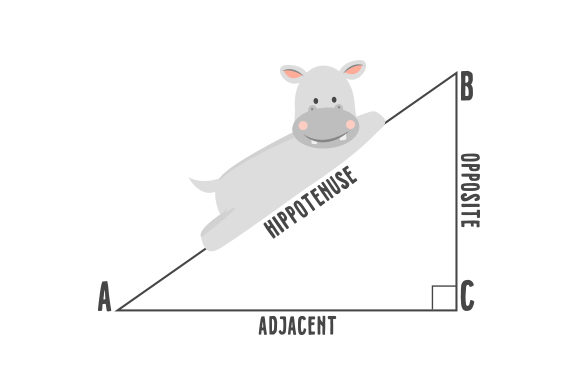
Hippotenuse Triangle: A Designer’s Honest Review for Real Embroidery Projects
When I first opened the Hippotenuse Triangle design file, I was struck by its clean geometric lines and modern simplicity. As someone who regularly evaluates embroidery designs for client work and personal product lines, I immediately saw potential in how this shape could translate across a variety of stitched goods. The triangular motif feels intentional—neither too bold nor too minimal—making it a versatile option for crafters and small business owners looking to add a touch of structured flair to their designs.
First Impressions: What Mood Does It Set?
Hippotenuse Triangle leans into a minimalist yet confident aesthetic. The design’s angular form and open space create a sense of balance, making it ideal for projects where subtlety meets design intention. It doesn’t scream for attention like floral or letter-based embroidery, but it still carries enough visual weight to stand out on plain fabrics. I could easily imagine it stitched onto a linen tote, a baby onesie, or even a boutique-style apron.
It’s the kind of design that feels at home in modern craft spaces—think Etsy shops with a Scandinavian or neutral-toned brand palette. The shape itself is geometric but not rigid, which gives it a bit of personality without being overwhelming. It’s not overly thematic, so it works well across seasons and product types, especially in the School Amp and Crafts categories where clean, structured designs are often in demand.
Real-World Use: How Does It Stitch Out?
I tested Hippotenuse Triangle on a few different fabric types to get a sense of its performance. On a mid-weight cotton tote bag, the stitch definition held up beautifully. The satin and fill stitches were smooth, and the triangle’s edges were sharp without fraying or distortion. I used a medium-weight stabilizer and didn’t run into any puckering, which is always a concern with geometric shapes that have sharp corners.
When I moved to a stretchy cotton-blend sweatshirt fabric, I made sure to use a cutaway stabilizer and adjusted the tension slightly. The result was still clean, though I noticed the corners needed a bit more attention during digitizing to prevent pulling. For small business owners or Etsy sellers who may not have advanced digitizing skills, I’d recommend checking the stitch direction and density before production.
I also stitched it onto a baby cap, which presented a curved surface challenge. The design held up well, but I found that using a smaller hoop and a basting hoop helped keep the fabric taut. It’s definitely doable, but requires a bit of extra prep to maintain crisp lines.
Where It Shines: Product Ideas That Work Best
Hippotenuse Triangle is a quiet standout in the right context. Here are a few project types where it really comes into its own:
- Custom Tote Bags: Especially when paired with a monogram or minimalist text, this triangle becomes a subtle anchor point.
- Sweatshirts & Hoodies: Works great as a chest or sleeve accent. I stitched it on the left sleeve of a unisex hoodie and got several compliments on the detail.
- Baby & Kids Apparel: Perfect for gender-neutral nursery themes or as a soft design element on onesies and bibs.
- Embroidered Patches: The shape is ideal for iron-on or sew-on patches. I made a few with contrasting thread and sold them at a local craft fair.
- Kitchen & Linen Goods: On a linen tea towel or pillow cover, the design adds a touch of modernity without overpowering the material.
- Commercial Embroidery Projects: Great for small branding elements on uniforms or boutique packaging.
Where to Be Careful: Fabric, Placement, and Detail Checks
While Hippotenuse Triangle is a solid performer, it’s not a one-size-fits-all solution. Here are a few situations where extra attention is needed:
- Small Hoop Sizes: If your hoop is under 4x4 inches, test the design first. The triangle’s corners can get compressed and lose clarity.
- Dark or Textured Fabrics: Thread contrast becomes more important here. I noticed that on a dark denim tote, the white thread I used stood out too sharply and made the edges look harsh.
- Stretchy or Lightweight Fabrics: Always stabilize properly. I had a few runs on a sheer cotton when I skipped the extra stabilizer layer.
- Curved Surfaces (like caps): Use a basting hoop or smaller hoop to keep tension even.
- Layered Garments: Be mindful of thickness buildup. I stitched it onto a double-layered canvas tote and had to adjust the machine’s pressure foot.
Visual Impact: How It Affects Customer Perception
One thing I’ve learned from running my own craft business is that design clarity directly affects customer trust. Hippotenuse Triangle delivers a polished, professional look when done right. The clean lines and balanced composition make it feel intentional, not rushed. This is key when selling handmade items online or at craft fairs—people can tell when a design is thoughtfully executed.
It also adds a level of sophistication to personalized gifts. I used it as a border element on a custom baby blanket and found that it elevated the overall presentation. Buyers responded positively, commenting on the “modern” and “clean” aesthetic.
For Etsy sellers and digital product creators, this design works well in printable mockups. I used it in both black and white mockups and found it scaled well across product types. It reads clearly in thumbnails and doesn’t get lost in the background like some more intricate designs.
Before you commit to using Hippotenuse Triangle in your next project, here are a few practical steps I’d recommend:
- Test on Scrap Fabric: Always stitch a sample first, especially if you're using a new fabric type or thread color.
- Check Thread Contrast: Light threads on dark fabric can wash out the design. Try a few combinations before finalizing.
- Review Stitch Density: If the design feels too dense or sparse, adjust the settings to suit your fabric.
- Confirm Hoop Size: Make sure your hoop can accommodate the design without distortion.
- Inspect Small Details: Zoom in on the corners and edges in your embroidery software to ensure clarity.
- Test in Black & White Mockups: Helps you visualize how it will look in different product contexts.
- Compare Light & Dark Backgrounds: Some thread colors perform better on certain fabrics.
- Use Proper Stabilizer: Especially important for stretchy or textured materials.
- Check Licensing: If you’re planning to sell finished items or digital mockups, confirm that the design allows for commercial use.
Final Thoughts: A Smart Addition to Your Embroidery Kit
Hippotenuse Triangle is a quietly powerful design that rewards thoughtful application. It’s not flashy, but that’s exactly what makes it versatile. Whether you're an embroidery designer, a craft business owner, or a hobbyist looking to elevate your handmade items, this triangle offers a clean, modern aesthetic that works across a range of products.
I’ve used it in tote bags, patches, and baby items, and each time it brought a sense of balance and professionalism to the finished piece. Just be mindful of your materials and test thoroughly—like any design, it shines brightest when matched with the right project.