Dear Brain Please Shut Up: A Designer’s Real-World Embroidery Review
First Impressions: Humor Meets Simplicity in Stitch Form
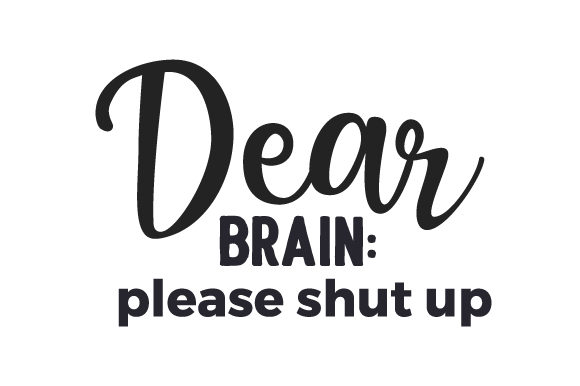
When I first opened the Dear Brain Please Shut Up embroidery file, I immediately smiled. It’s a lighthearted, slightly sarcastic design that feels perfectly tailored for the modern maker’s audience—especially those who sell on Etsy or run a boutique-style craft business. The layout is clean, the lettering is bold yet playful, and it carries a visual personality that leans into casual, relatable humor. It’s the kind of design that works well on both casual and semi-formal items, especially when you want to inject a bit of personality into a finished product.
From a design standpoint, it reads clearly at a glance. The lettering is spaced well, and there’s no unnecessary embellishment that could complicate the stitching process. It’s ideal for someone who wants to create a quick but impactful embroidered piece without getting bogged down by intricate details.
Real-World Use: From Sweatshirts to Tote Bags
I tested Dear Brain Please Shut Up on a few different materials to see how it would hold up in real-life embroidery situations. I stitched it onto a medium-weight cotton tote bag, a soft fleece sweatshirt, and a stretchy knit T-shirt. The results were surprisingly consistent across all three.
On the tote bag, the design held its shape beautifully. The satin and fill stitches laid down smoothly, and the text remained sharp and legible. It made for a great boutique-style product—perfect for gift shops or Etsy listings targeting busy professionals or students who appreciate a bit of humor with their daily grind.
When stitched onto the sweatshirt, the design took on a cozier, more personalized feel. I could easily picture this as a custom gift for a friend or a branded item for a small creative business. The stitch density seemed appropriate for the fabric weight, and there was no puckering or distortion.
The T-shirt test was a bit more challenging due to the stretchy knit, but with a good tear-away stabilizer and proper hooping, the design came out cleanly. It’s a good reminder that while this design is versatile, it still requires attention to fabric type and stabilizer use—especially when working with stretchy materials.
Where to Use with Care: Know the Limitations
As with any machine embroidery design, Dear Brain Please Shut Up has its limitations. It’s not the best choice for very small hoop sizes. The lettering, while well-spaced, can start to feel cramped if scaled down too much. If you're planning to use it on a cap or curved surface like a baseball hat, be sure to test the hoop placement and adjust for distortion.
I also noticed that on dark fabrics, the white or light-colored thread options (depending on your chosen palette) can look a bit washed out unless you add a subtle shadow or outline. It’s worth testing in black and white mockups first to see how it reads on different backgrounds.
For baby clothes or items that will be washed frequently, I recommend checking the stitch density and ensuring the design is properly stabilized. While the file seems solid, repeated washing can affect the crispness of the lettering over time, especially on thinner or delicate fabrics.
Visual Appeal and Customer Perception
One of the things I appreciate most about this design is how it balances humor with professionalism. It’s fun without feeling childish, and it’s clean enough to fit into a wide range of product lines. Whether you're creating personalized gifts, embroidered patches, or digital embroidery files for resale, this design adds a touch of personality without overwhelming the overall aesthetic.
From a customer perspective, this kind of design has strong “giftability.” It’s easy to market as a custom item—especially around back-to-school season or as a holiday gift for teachers, students, or creative professionals. It also works well for small shop owners who want to offer something unique without investing in complex embroidery files.
Designer Notes: What to Watch For Before You Stitch
Before jumping into a full production run or listing this design on your Etsy shop, here are a few practical tips I picked up during my test runs:
- Test on scrap fabric first, especially if you're working with stretchy or textured materials.
- Check thread color contrast. Some light colors may not pop as expected on dark fabrics.
- Verify hoop size before stitching to avoid distortion or trimming issues.
- Inspect small lettering details, particularly the lowercase “e” and “a,” which can get lost if the design is scaled down.
- Use the right stabilizer. A lightweight tear-away works well for most cottons, but for knits, go with a wash-away or cut-away for better support.
- Confirm licensing terms, especially if you plan to sell finished products or digital embroidery files.
Also, be sure to review the file formats included. The Dear Brain Please Shut Up package includes SVG, Transparent PNG, EPS, and DXF files, which gives you flexibility for both embroidery machines and digital mockups. If you're creating printable mockups or offering design assets for sale, this variety is a big plus.
Final Thoughts: A Solid Choice for Everyday Embroidery
Overall, Dear Brain Please Shut Up is a well-executed embroidery design that delivers both humor and functionality. It’s versatile enough for a wide range of projects—from sweatshirts and tote bags to personalized gifts and boutique products. It’s especially well-suited for crafters and Etsy sellers who want to offer something relatable without sacrificing quality or clarity in their finished products.
While it has some limitations—like most embroidery files—it’s a solid addition to any digital design library, especially if you cater to a modern, humor-loving audience. Just remember to test it thoroughly before mass production, and always double-check licensing and file compatibility to ensure smooth, professional results every time.