Dance Teachers Touch: An Embroidery Design Review
As a professional embroidery digitizer and product reviewer, I approach every new graphic with a specific question: will this actually stitch out cleanly on fabric? When evaluating the Teacher SVG Design, Dance Teachers Touch, my focus shifts immediately from screen aesthetics to needle performance. This design carries a sentimental message that resonates deeply within the dance community, but sentiment alone does not guarantee a successful finished product. For craft business owners and Etsy sellers targeting dance moms, instructors, and studio merchandise, understanding the technical behavior of this machine embroidery design is just as important as its emotional appeal.
First Impressions and Visual Hierarchy
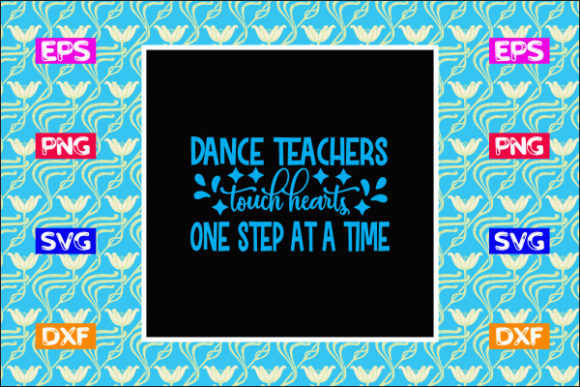
Upon opening the digital embroidery file, the layout presents a balanced composition typical of high-quality graphics in the Crafts category. The phrase "Dance teachers touch hearts one step at a time" requires careful typographic handling. In embroidery, text is unforgiving. My initial assessment suggests this design relies heavily on clean lines and legible lettering rather than overly complex shading. This is a positive indicator for versatility. A design that prioritizes clarity over excessive detail usually translates better across different fabric textures and hoop sizes.
The mood is warm and appreciative, making it an ideal candidate for personalized gifts or studio apparel. However, as a designer, I look for potential trouble spots. Are the letters connected in a way that might cause thread breaks? Is the spacing sufficient to prevent puckering on stretchy knits? The Teacher SVG Design, Dance Teachers Touch appears to respect these boundaries, offering a graphic that feels professional yet handmade-friendly. It avoids the cluttered aesthetic that often plagues novelty embroidery, suggesting it was created with actual stitching in mind.
Real-World Application: The Studio Sweatshirt Test
To truly evaluate this asset, I mentally place it in a real-life production scenario. Imagine preparing a custom embroidered sweatshirt for a retiring ballet instructor. This is a high-stakes project where the finished product must withstand washing while maintaining its structural integrity. Sweatshirt fleece is thick and has a nap, which can swallow fine details.
In this context, the Teacher SVG Design, Dance Teachers Touch serves as an excellent left-chest placement or a centered back design. If using the included EPS or DXF files to resize, I would recommend keeping the text height above 0.25 inches to ensure the satin stitch columns remain distinct. For a tote bag design, the canvas provides a stable foundation, allowing for slightly more intricate fill stitch work if the design includes decorative elements like shoes or musical notes. Conversely, for baby embroidery on delicate onesies, I would simplify the design significantly, perhaps isolating just the "one step at a time" portion to reduce stitch density and prevent the garment from becoming stiff.
This versatility is what makes the design valuable for commercial embroidery. It is not a single-use asset; it is a flexible component of a larger product line. Whether you are creating holiday embroidery for end-of-year recitals or everyday wear for dance staff, the design adapts to the narrative of the wearer.
Technical Considerations for Stitch Success
Even the best vector art requires technical adjustments when converted to stitches. When working with this embroidery project, pay close attention to the following variables:
- Fabric Texture and Stabilizer: On textured fabrics like terry cloth or fleece, use a water-soluble topping to keep the stitches visible. For stretchy knits used in custom apparel, a cut-away stabilizer is non-negotiable to prevent distortion during the satin stitch sequences.
- Stitch Density Management: If the design includes solid fill areas, check the density settings. Overly dense fills on lightweight fabric will cause tunneling. You may need to adjust the underlay or reduce density by 10-15% depending on your machine’s tension.
- Small Hoop Size Limitations: Avoid shrinking this design below 3x3 inches unless you have verified the minimum letter height. Tiny text often turns into illegible blobs. If you need a small patch size, consider removing secondary decorative elements and focusing solely on the core message.
- Thread Color Contrast: This design likely relies on color blocking for readability. Always test thread colors against the actual fabric, not just a digital mockup. Dark fabric requires light thread, but also potentially a white underlay base to make the colors pop without sinking into the weave.
Navigating Production Risks
Every experienced maker knows where designs fail. With the Teacher SVG Design, Dance Teachers Touch, exercise caution on curved surfaces like caps. Unless the design is specifically digitized for cylindrical hooping, flat text will distort on a hat brim. Similarly, be wary of using this on sheer or loosely woven fabrics without adequate backing; the running stitch outlines could pull threads and damage the material.
For those selling digital products or printable mockups, ensure your preview images accurately represent how the stitches interact. Customers trust sellers who show realistic texture rather than flat vectors. If you are an Etsy seller offering this as part of a bundle, clearly state whether the file is optimized for specific machines or if it requires re-digitizing for extreme resizing. Transparency builds buyer engagement and reduces customer service inquiries regarding stitch outs.
Enhancing Product Value and Brand Consistency
Beyond the technical execution, this design impacts the perceived value of your handmade product. A clean, well-executed stitch out signals professionalism. When a dance teacher receives a gift featuring this design, the quality of the embroidery reflects the thoughtfulness of the giver. For small shop products, consistency is key. Using this design across multiple items—aprons for studio events, pillow covers for lounge areas, and patches for student jackets—creates a cohesive brand identity.
The inclusion of multiple file formats (SVG, EPS, PNG, DXF) supports this ecosystem. The PNG is invaluable for creating sublimation transfers or vinyl decals that match your embroidery, allowing you to offer mixed-media products. The DXF and EPS files provide the vector data needed for laser cutting applique shapes or silhouettes, expanding the utility beyond standard thread work. This multi-format approach maximizes the return on investment for creative entrepreneurs.
Essential Pre-Production Checklist
Before listing any item featuring the Teacher SVG Design, Dance Teachers Touch for sale or gifting, run through this practical validation process:
- Test Stitch on Scrap Fabric: Never skip this step. Use the exact fabric and stabilizer combination intended for the final piece. Inspect registration, tension, and letter clarity.
- Verify Licensing Terms: Confirm whether your purchase allows for commercial use of finished physical products versus digital redistribution. Protect your business by adhering to the creator's terms.
- Check Machine Compatibility: Ensure your specific machine reads the provided file format correctly. Some machines interpret SVG data differently than dedicated embroidery formats.
- Evaluate Washability: If the item is apparel, wash and dry the test sample. Check for shrinkage, thread breakage, or stabilizer residue. A beautiful design that falls apart after one laundry cycle damages customer trust.
- Mockup Validation: Create black and white mockups to assess contrast independent of color. If the design lacks definition in grayscale, it may lack sufficient depth in thread form.
Ultimately, the Teacher SVG Design, Dance Teachers Touch offers a strong foundation for meaningful embroidery work. It bridges the gap between digital art and tangible craft, provided the maker applies technical diligence. By respecting the limitations of thread and fabric, you transform a simple graphic into a cherished keepsake that honors the dedication of dance educators. Whether you are a hobbyist making a single gift or a commercial embroiderer fulfilling studio orders, success lies in the details of execution.